
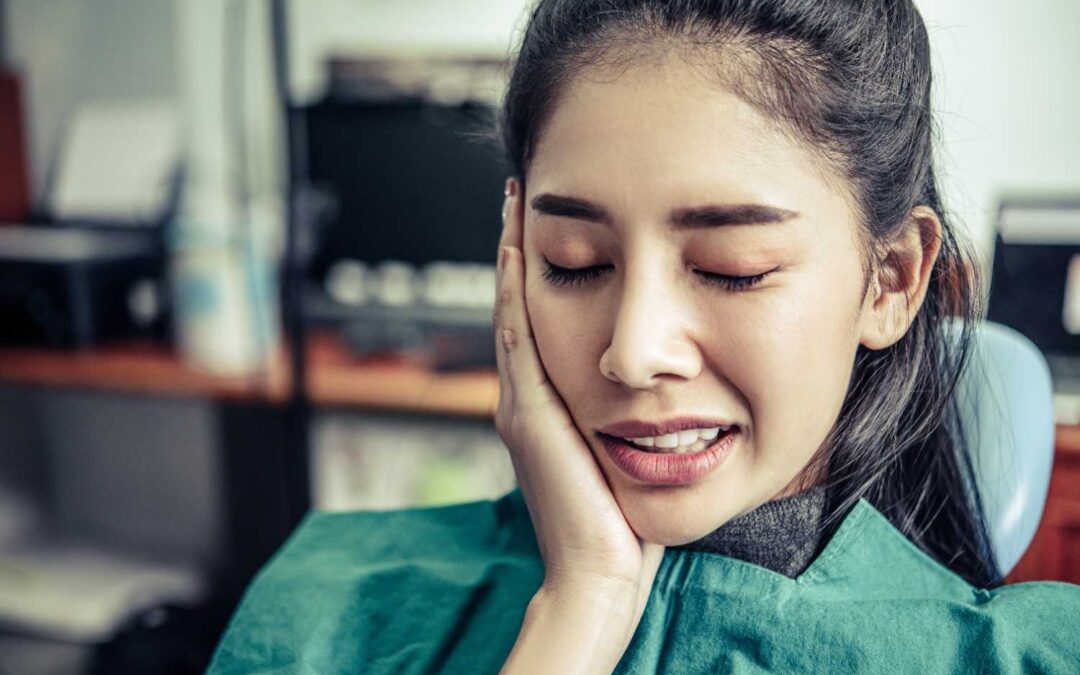
Temporomandibular joint (TMJ) disorders can significantly affect daily life by causing pain, discomfort, and difficulty in normal jaw movements. The TMJ connects the jawbone to the skull and plays a vital role in speaking, chewing, and facial expressions. When this joint is affected, it can lead to a range of symptoms that require timely medical attention. Patients experiencing such issues often seek the Best TMJ Pain Management in Darjeeling to receive accurate diagnosis and effective treatment.
For fast information, direct chat with us on WhatsApp.
At Dental Retreat, TMJ disorders are carefully evaluated and managed with a patient-focused approach. The Best TMJ Pain Management in Darjeeling aims to identify the root cause of the problem and provide targeted treatment to relieve pain and restore normal jaw function. Understanding the symptoms associated with TMJ disorders is the first step toward effective management and improved quality of life.
Understanding TMJ Disorders and Their Impact
TMJ disorders refer to a group of conditions affecting the jaw joint and surrounding muscles. These conditions may arise due to injury, stress, teeth grinding, arthritis, or misalignment of the jaw.
Patients consulting the Best TMJ Pain Management in Darjeeling often report symptoms that interfere with basic activities like eating and speaking. Because the jaw joint is involved in many daily functions, even minor issues can lead to noticeable discomfort.
Early recognition of TMJ symptoms allows for timely treatment and helps prevent the condition from worsening.
Jaw Pain and Tenderness
One of the most common symptoms of TMJ disorders is persistent pain or tenderness in the jaw. This discomfort may be felt on one or both sides of the face and can worsen while chewing or speaking.
The Best TMJ Pain Management in Darjeeling focuses on identifying the cause of jaw pain and providing treatments that help reduce inflammation and improve joint function.
Pain may vary from mild discomfort to severe aching, and proper diagnosis is essential for selecting the right treatment approach.
Difficulty in Opening or Closing the Mouth
Patients with TMJ disorders often experience difficulty in opening or closing their mouth fully. This can make everyday activities like eating or yawning uncomfortable.
The Best TMJ Pain Management in Darjeeling evaluates jaw movement to determine whether there is any restriction or stiffness in the joint. Limited mobility may be caused by muscle tension, joint inflammation, or structural issues.
Treatment aims to restore normal movement and reduce discomfort during jaw function.
Clicking, Popping, or Grinding Sounds
Unusual sounds such as clicking, popping, or grinding in the jaw joint are common signs of TMJ disorders. These sounds may occur when opening or closing the mouth.
Patients visiting the Best TMJ Pain Management in Darjeeling often report these symptoms, which may or may not be accompanied by pain. While occasional clicking may not always indicate a serious issue, persistent sounds should be evaluated by a specialist.
Proper assessment helps determine whether the joint is functioning correctly or requires treatment.
Facial Pain and Muscle Discomfort
TMJ disorders can cause pain in the surrounding facial muscles. This discomfort may extend to the cheeks, temples, or even the neck.
The Best TMJ Pain Management in Darjeeling addresses muscle-related symptoms by identifying factors such as stress, teeth grinding, or improper jaw alignment.
Muscle relaxation techniques, along with appropriate treatment, can help relieve facial pain and improve comfort.
Headaches Associated with TMJ Disorders
Frequent headaches are another common symptom linked to TMJ issues. These headaches are often caused by muscle tension or joint dysfunction.
Patients seeking the Best TMJ Pain Management in Darjeeling may experience headaches that feel similar to tension headaches or migraines. The pain may originate near the temples and spread to other parts of the head.
Managing TMJ-related headaches involves addressing the underlying cause of the disorder and reducing strain on the jaw muscles.
Ear Pain and Fullness Sensation
TMJ disorders can sometimes cause ear-related symptoms, including pain, ringing, or a feeling of fullness in the ears. This occurs because the jaw joint is located close to the ear canal.
The Best TMJ Pain Management in Darjeeling evaluates these symptoms carefully to differentiate between ear conditions and TMJ-related issues.
Treating the jaw joint problem often helps reduce ear discomfort and improves overall patient comfort.
Teeth Grinding and Jaw Clenching
Bruxism, or teeth grinding, is a common factor contributing to TMJ disorders. Many patients are unaware of this habit, especially if it occurs during sleep.
The Best TMJ Pain Management in Darjeeling identifies signs of teeth grinding and provides solutions to minimize its impact on the jaw joint.
Reducing grinding and clenching helps prevent further damage to the joint and alleviates associated symptoms.
Difficulty in Chewing or Biting
TMJ disorders can make chewing or biting uncomfortable. Patients may feel pain or uneven pressure while eating.
The Best TMJ Pain Management in Darjeeling assesses bite alignment and jaw function to determine the cause of these difficulties.
Treatment focuses on improving bite balance and reducing stress on the jaw joint, allowing patients to eat more comfortably.
Importance of Early Diagnosis and Treatment
Early diagnosis plays a key role in managing TMJ disorders effectively. The Best TMJ Pain Management in Darjeeling emphasizes thorough evaluation to identify the underlying cause of symptoms.
Delaying treatment may lead to worsening pain and reduced jaw function. Timely intervention helps control symptoms and prevent long-term complications.
A structured treatment plan ensures that patients receive appropriate care based on their condition.
Comprehensive TMJ Pain Management Approach
Managing TMJ disorders requires a combination of medical expertise and personalized care. The Best TMJ Pain Management in Darjeeling focuses on both symptom relief and long-term management.
Treatment options may include medication, physical therapy, dental appliances, or lifestyle modifications. The goal is to reduce pain, improve jaw movement, and enhance overall comfort.
A comprehensive approach ensures that all aspects of the condition are addressed effectively.
Conclusion
TMJ disorders can cause a wide range of symptoms, from jaw pain and headaches to difficulty in chewing and ear discomfort. Because these symptoms can affect daily life, timely diagnosis and treatment are essential.
The Best TMJ Pain Management in Darjeeling at Dental Retreat provides expert care focused on identifying the root cause of TMJ issues and offering personalized treatment solutions. With proper evaluation and targeted management, patients can experience relief from pain and regain normal jaw function.